Are you tired of realism? Abstract art is a thrilling, expressive world where color, shape, and texture are the true subjects. Many artists feel intimidated, thinking they need special training, but in reality, all you need are the right tools to set your creativity free.
Did you know the abstract movement was born out of scientific and philosophical shifts? Artists like Wassily Kandinsky explored how pure color and form could communicate emotion without relying on visual representation. But how do you move from a blank canvas to an emotional statement?
At Grandink, we believe true abstract expression requires two things: a stable surface and techniques that leverage the physical properties of paint. Therefore, here is your guide to mastering the chaos.
1. Technique 1: Gesso Textures (The Foundation)
Abstract texture doesn’t always come from the paint; in fact, it can come from the ground layer.
- How it works: Before applying any color, use a thin layer of gesso or modeling paste (not sold by Grandink) on your canvas. Then, use your palette knife to scrape, swirl, or drag the paste across the Grandink Stretched Canvas.
- The Result: Once dry, the uneven surface forces the applied color to catch light in different ways. Consequently, a single color wash will appear rich and varied across the finished piece.
2. Technique 2: Controlled Pouring (The Fluidity)
Fluid acrylics and water allow gravity to become your collaborator, in addition to creating organic shapes.
- How it works: Mix acrylic paint with a pouring medium or water. Set your canvas on a protected surface; then, gently tilt it, allowing the paint to flow and merge. For small studies, the rigidity of a Grandink Canvas Panel gives you better control over the flow path.
- Tip for Control: Use your Grandink Brushes only to gently guide the flow or soften edges, rather than actively spreading the paint.
3. Technique 3: Layered Washes (The Transparency)
Abstract depth is built through many thin, transparent layers, which, furthermore, creates a luminous glow.
- How it works: Dilute your acrylic paint heavily with water until it has the consistency of tea. Apply the wash using a large, soft Grandink Brush. Allow the layer to dry completely before applying the next, contrasting layer.
- The Result: The layers peek through each other, creating complex color interactions. Because this technique is similar to watercolor, your watercolor brush pens are perfect for adding fine, translucent lines between layers.
4. Technique 4: Sgraffito and Subtraction
Abstract art often involves removing paint to reveal history. Specifically, this is called Sgraffito.
- How it works: Apply a thick layer of wet paint. Next, use the wooden handle end of your Grandink Brush or the sharp edge of your palette knife to scratch lines or patterns directly into the wet paint.
- The Power: This technique creates an energetic, high-contrast mark that adds immediate narrative and energy to the composition.
5. Final Display: Judging the Abstraction
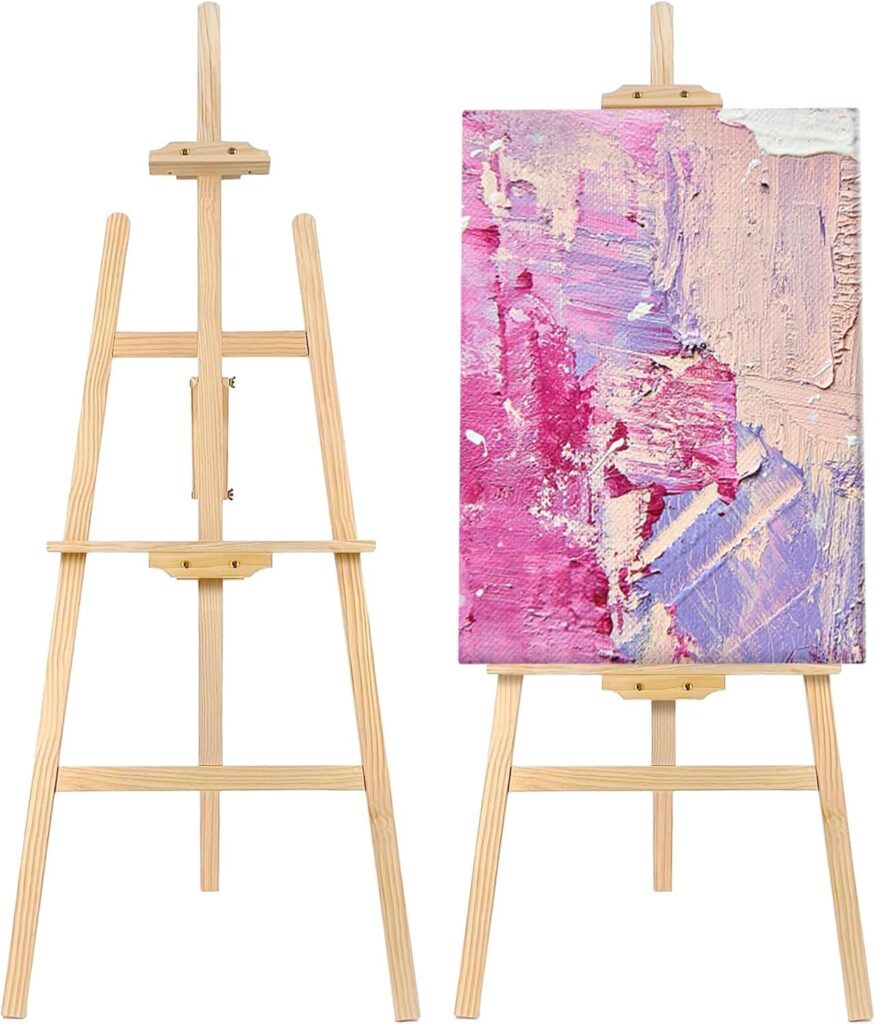
Abstract art is best viewed from a distance to appreciate the visual weight. Always check your work vertically. Consequently, securing your canvas to a sturdy Grandink Easel is essential for stepping back and judging the balance of your expressive marks.
To summarize, abstract art is a practice of calculated risk. Start small, try these techniques, and, most importantly, discover the true, expressive power of your acrylics!
[Visit our online store and elevate your artistry with the finest tools. Discover the Grandink touch.]
Link: https://grandink.in/